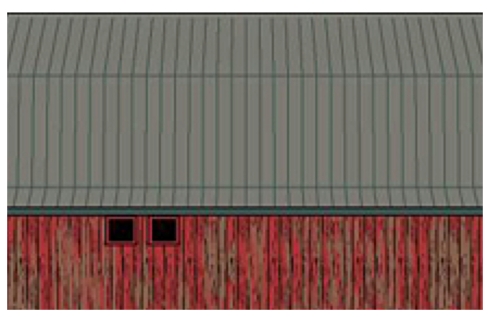
Some photos on my new, improved! barn, now with more a barnlike roofline and hay instead of grass. Plus, MacDonald’s sign over his animules’ home. A definite improvement over the prototype.
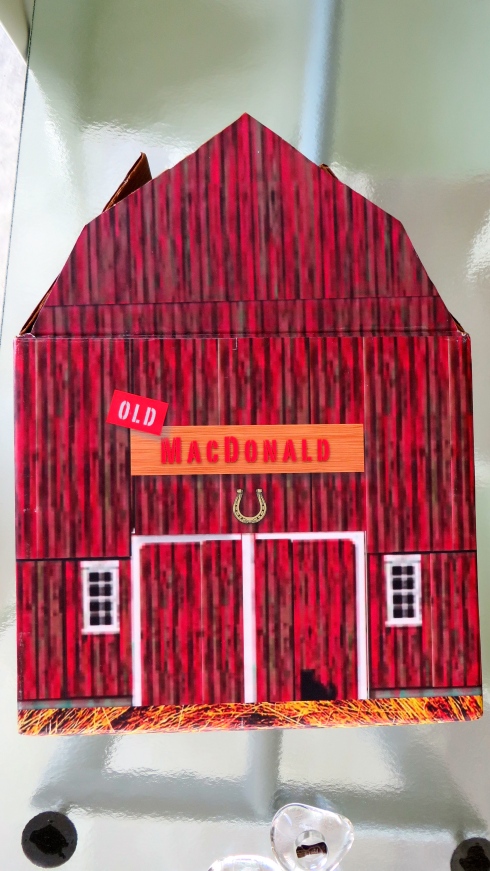



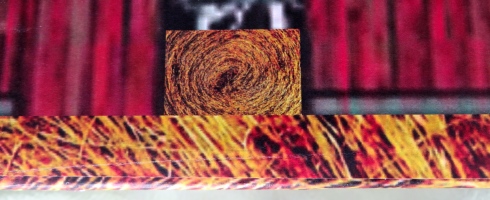
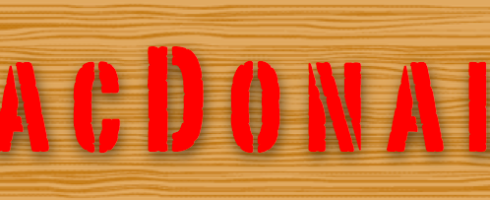



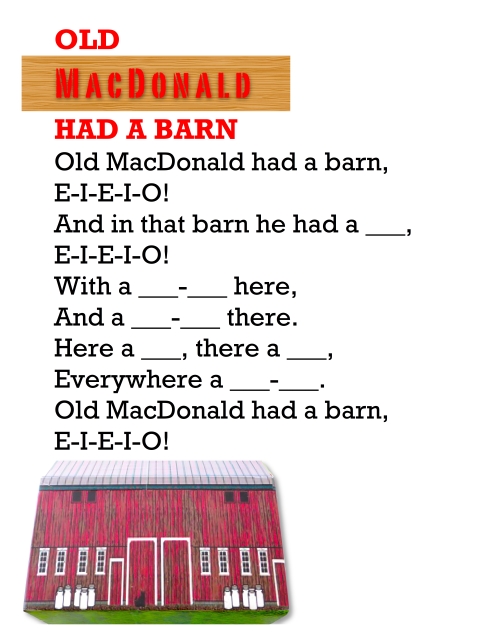

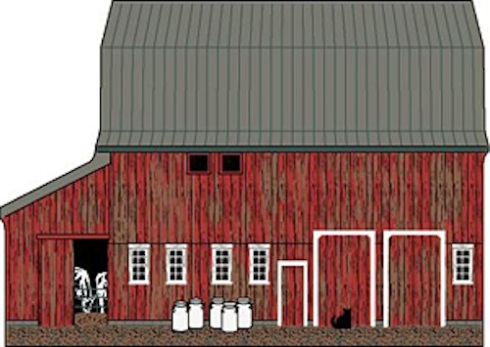
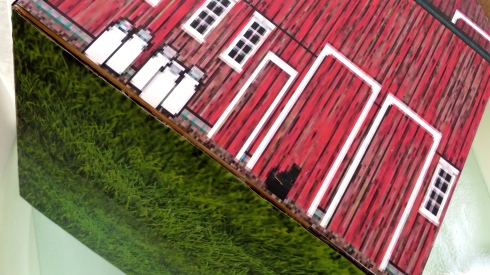


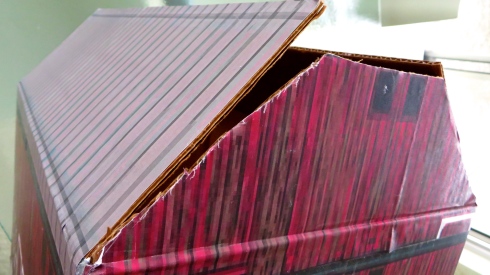


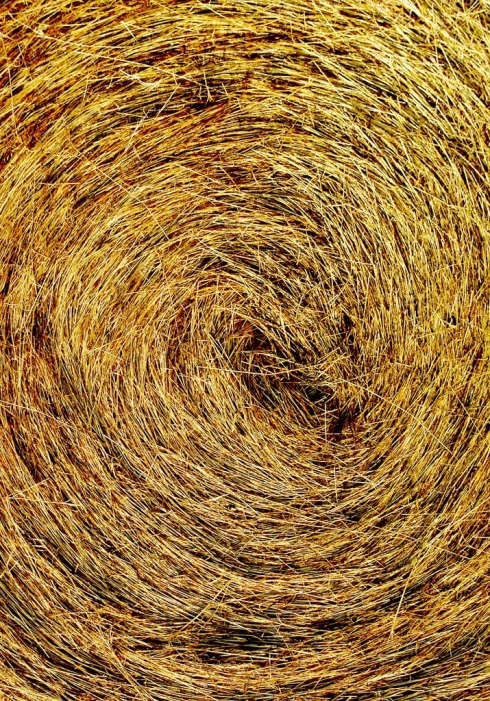
PHOTO > Mom Sandie (thanks!)





NO GIRAFFES IN THIS BARN!







2012


2012

2005

WALLPAPER


2010

2006


2009


2012


Five little snowmen were very fat,
Each one wore a funny hat;
Out came the sun and melted one,
And four little snowmen stood in the sun.
(Continue counting down to one)
One little snowman was very sad,
He still had his funny hat,
Down came the snow
and the children played,
And built four more snowmen on that winter’s day!
* Feel free to change this to snow women, snowgirls, etc.







Weldbond – It’s the best!




and …


Migrant, illustrated by Isabelle Arsenault


The New York Times Book Review has announced its list of the 10 Best Illustrated Children’s Books of 2011. Artwork from this year’s winners will appear in the special Children’s Book section of the Book Review’s November 13 issue.
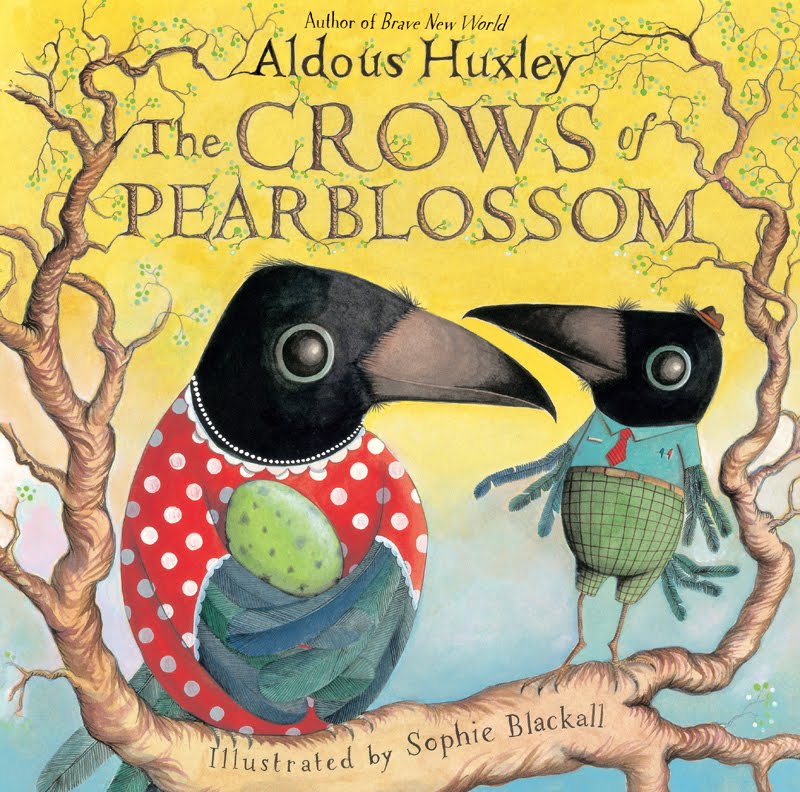
The judges this year were Jeanne Lamb, the coordinator of youth collections at The New York Public Library; Lucy Calkins, the Richard Robinson Professor of Children’s Literature at Teachers College of Columbia University; and Sophie Blackall, an author and artist who has illustrated 24 books for children, including one of last year’s Best Illustrated winners, “Big Red Lollipop,” as well as “The Crows of Pearblossom,” “Spinster Goose: Twisted Rhymes for Naughty Children” and “Are You Awake?” — all published this year. They chose from among hundreds of children’s picture books published in 2011.


Next year, The New York Times Best Illustrated awards will celebrate its 60th anniversary.


Activity:
This is a song to warm up our voices and welcome everyone to music and movement time. Listen to each funny phrase, then sing it back like an echo. During the first chorus, give yourself a pat on the back, shake your own hand, and give yourself a hug and squeeze. During the second chorus, give someone else a pat on the back, shake her/his hand, and give that person a gentle squeeze to say, “We’re so happy you’re here today!”
Instrumental:
Make up your own funny phrases. Write them on the board, then sing the song using your ideas. You can also create a funny motion that goes with each phrase and play follow the leader




Peacecakes!


Space Bunny!


VIDEO INSTRUCTIONS:


Illustration for The Globe and Mail by Graham Roumieu
At the age of 2, Calvin Wang’s son seems to have learned a truism that is already ricocheting around the Internet: A book is an iPad that doesn’t work.
Wang designs interactive storybooks for the iPad. He was inspired, he says, by watching his daughter interact with a movable cardboard book. Since then, Loud Crow, his Vancouver-based firm, has turned an array of children’s picture books that take the pop-up concept into the digital age. Books such as Beatrix Potter’s Peter Rabbit now respond to touch by moving, twirling, speaking and noise-making.
Having experienced the app, he says, his son is puzzled by the fact that creatures in the original cardboard books don’t move. “When he opens the book, the first thing he does is start tapping the creature in the book.”
Turning children’s literature into iPad apps is a new and potentially lucrative business; successful creators have seen products fly off the virtual shelves, and venture capitalists are showing interest. But traditional publishers face challenges entering this market: Interactive applications are expensive to make, difficult to perfect and tough to market in the App Store environment. And even children’s authors are asking: Does a product that blurs the line between a book and a game destroy the joy of reading? And is one more screen what young children need in their lives?
Adaptations of kids books have been around almost as long as the iPad itself, a device so entrenched in the public consciousness that it seems as though it has always been a fixture on the landscape even though it has been on the market only since April, 2010, a mere 19 months. The first to make a splash was an adaptation of Alice in Wonderland, simply called Alice. The creation of a laid-off journalist and a former financial-sector programmer, the $8.99 app took Lewis Carroll’s text and the iconic original illustrations from John Tenniel – both of which have passed into the public domain – and used the iPad’s innovative capabilities to turn them into tactile experiences.

When the iPad is flipped, Alice grows or shrinks. When the device is tipped, the queen’s crown teeters, or even falls off its pillow. Because the iPad can sense acceleration, developers could endow objects on-screen with realistic physics – the kind that young users find especially intuitive.
Chris Stevens, the app’s co-creator, says it hardly sold at all for the first couple of days. Then, he says, he released a YouTube video of the app, went to bed and woke up the next morning to see that 500,000 had seen it: This new medium’s potential had caught the public imagination. The app would later turn up in The New York Times and on Oprah.
“It was the right market to get some attention,” he recalls. “There was some excitement about the idea that the iPad might be the future of publishing.”

The Alice app would be the first of a bumper crop, mostly coming from the heady world of new-media app developers. It was one of the inspirations for works that followed, including Wang’s growing business in Vancouver. (This week, Loud Crow announced that it had snagged the rights to adaptPeanuts TV specials, including iconic entries such as A Charlie Brown Christmas, into the app format.)
But for all the hubbub, traditional children’s publishers are approaching the emerging market with caution.
One challenge is economics: Flashy, full-colour, animated interactive projects that run on high-end tablets are a different creature from eBooks, which typically aren’t interactive and can be read on a variety of devices, such as simple black-and-white Kindle or Kobo readers. The eBooks adhere to popular standards, making them relatively simple to make, whereas each children’s app is a unique creation that requires attention from authors, designers and programmers.
However, publishers can typically charge more for eBooks than they can for apps, which consumers are used to buying for less than $10. For instance, Loud Crow’s Peter Rabbit books cost $3.99 in the App Store.
“The interactive apps cost a lot of money, need to be updated frequently and the price point is incredibly low,” says Barbara Howson, vice-president of sales at House of Anansi and Groundwood books. All the same, Groundwood is currently working on an interactive adaptation of one title, Cybèle Young’s A Few Blocks.

“I think we’re in early days for kids books, in terms of demand and technology,” says Denise Anderson, director of marketing and publicity for Scholastic Canada. The publisher has embraced eBooks, with 400-odd titles already available in the format. As for interactive apps, few are currently available from the publisher, but she expects that to change within a year.
“Our mandate is to get books into the hands of children, however they’re delivered.”
So far, many of the interactive apps that have appeared in the marketplace have been adapted from books that are already cross-platform properties, such as Stella and Sam, a series of children’s books by Montreal author Marie-Louise Gay, which has been turned into a successful animated TV show.

For Gay, it’s important to distinguish between books and games – and the app, she says, is primarily a game. Where it comes to replacing books themselves with apps, she worries that the immersiveness of the technology can break up the shared experience of a child learning to read with a parent.
“You could actually put an iPad in a baby’s crib, and the pages will turn by themselves,” she says. Apps that read stories aloud and present interactive widgets threaten children’s ability to explore pages at their own pace, turning a social experience into an isolated pursuit, she says.
“That’s something that’s dangerous, because it’s like putting a child in front of a TV.”

That is a sentiment that has some support, even within the app world. The best interactive kids apps are the ones that actively depart from the source material, says Jason Krogh, the founder of Zinc Roe, the Toronto developer behind the Stella and Sam app, among others.
“The least successful examples take the book, put it on the screen, and they make hot spots so that when you press it, something happens,” he says. That’s why his firm is pushing interactive children’s technology in a new direction: letting kids tell their own stories. A new app called DoodleCast encourages kids to draw on the iPad screen, while making a real-time recording of what they’re saying aloud. After all, a child’s scribblings can be visually indecipherable, but its meaning comes clear as they explain it aloud.
“If you’ve ever drawn with a four-year-old, there’s always a narrative. They’re telling you about their day,” he says.
Kids books have gone through the looking glass, indeed.
Ivor Tossell is The Globe and Mail’s technology culture columnist.


(Make swimming motions as you sing)
(put your hands to your mouth)
(Make squiggling motions as you sing)
(Make flashing motions as you sing)
(Make lurking motions as you sing)
(Make spouting motions as you sing)


SOURCE >www.collective-noun.com


We believe that making a comprehensive A-Z list of collective nouns freely accessible will help those who share our fascination learn new terms and enjoy and share familiar. We hope that irrespective of whether you are browsing for fun or researching for homework that you will find these words, images and facts entertaining and informative. If you enjoy exploring this list you may well find our
forthcomingbook A Zeal of Zebras worth a look.Some of the collective terms listed have real pedigree and lineage and can be found in JThe Oxford English Dictionary, ames Lipton’s 1968 An Exaltation of Larks or even The Book of St. Albans published in 1486. Some are of a more dubious and newer vintage than the original terms of venery. We make no apologies for being eclectic and hope that you will have fun with the words and enjoy our graphic interpretation of some of them.


Korky Paul on Brian Wildsmith
Brian Wildsmith’s work came out in the 1960s and he changed picture books. It was revolutionary stuff. One of his best books is The Hare and the Tortoise. He uses his own colours. He plays with scale, and his animals have characters: roosters strut their stuff, chickens are always eating, cats always sleeping.
What I like about his work is his wonderful use of white space; there are raggedy edges and extraordinary detail. He uses a mixture of media: watercolour, wash, then he works on top with chalk or pen. There is a lot of movement there.
My work is more spiky, but I love trying to create a fantasy world and to stylise it. Children’s books allow artists of all kinds to explore their own vision, how they see the world, and that’s what Wildsmith achieves so well. Exposing children to that teaches them that there are all sorts of ways of viewing the world.
Korky Paul has created illustrations for books including the Winnie the Witch series.


– Author unknown


Some photos on my new, improved! barn, now with more a barnlike roofline and hay instead of grass. Plus, MacDonald’s sign over his animules’ home. A definite improvement over the prototype.

Most of my Storytimes include a rousing rendition of “Old MacDonald” accompanied by an assortment of farm animal stuffies that I pull out of a library bag at the appropriate moment. Kids love it. Parents anticipate naming the farm animals with their kids, and I thoroughly enjoy performing this bit of […]

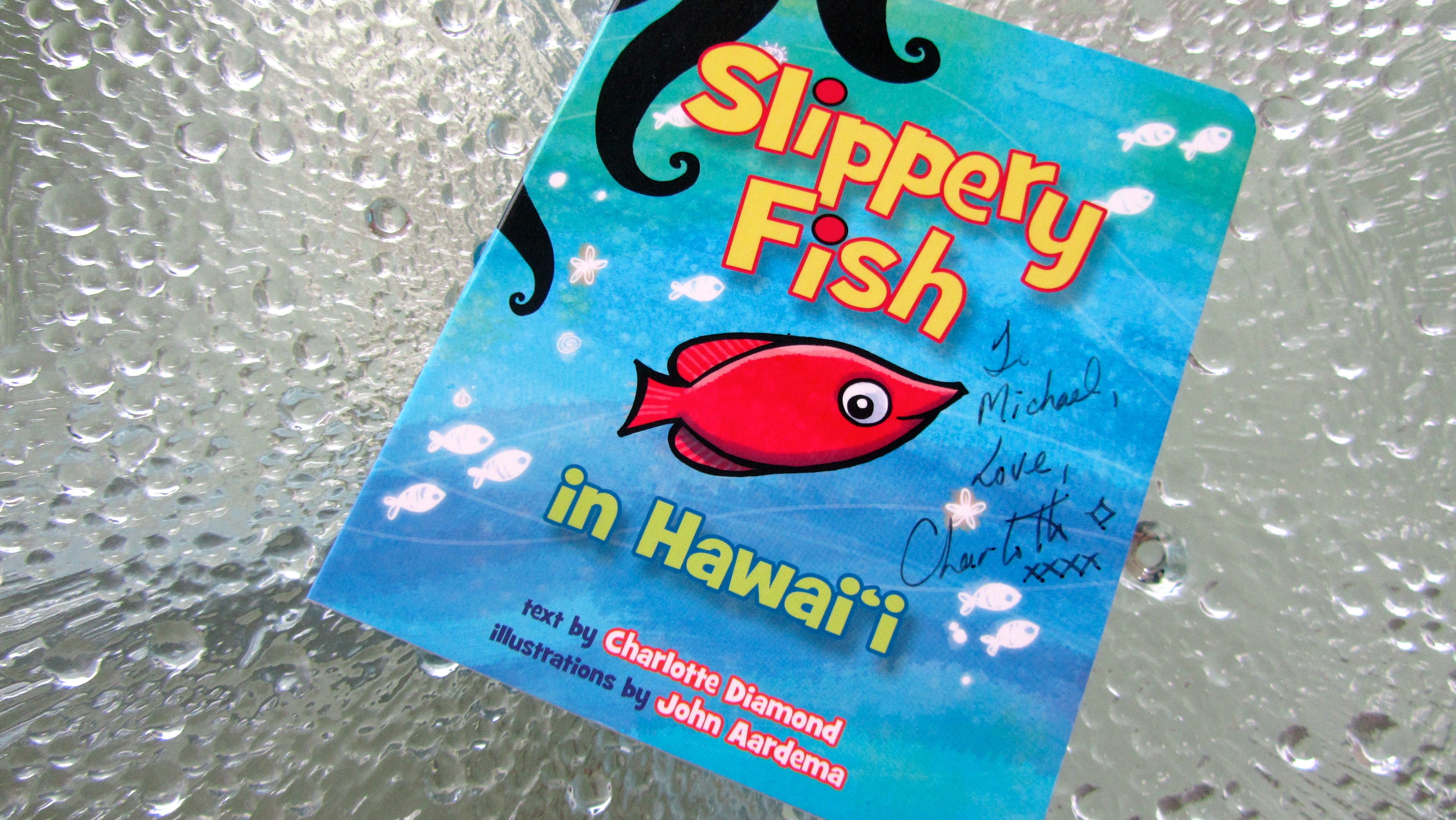
I was very fortunate to have attended a workshop on November 14, 2013 hosted by the the amazingly talented, charming, and hypercreative Charlotte Diamond. On sale were some amazing felts, including the “made-in-Canada” Slippery Fish, above. Not cheap but excellent quality! And… I won a copy of Ms. Diamond’s new board book, Slippery Fish in […]

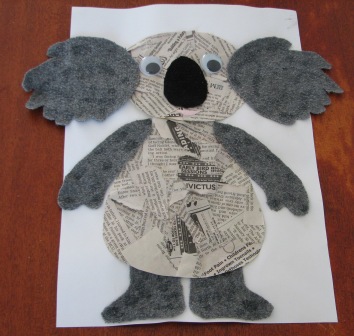
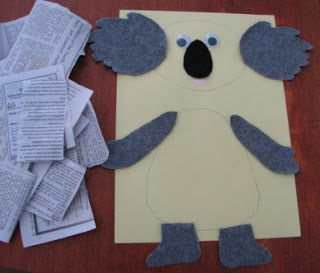
Canada Day is fast approaching (July 1), but I’m more intrigued by this great craft from Australia (Australia Day is January 26). Many thanks to Phillipa at House of Baby Piranha (!) for this great activity for kids. House of Baby Piranha | Koala Newspaper Collage DLTK | Koala Template designKULTUR | ENVIRONMENT | «A […]

The incredibly talented, charming, and self-deprecatingly humorous author/artist gave a presentation about what it’s like being Oliver Jeffers before a sold-out audience on Saturday, 23 February 2013 in Vancouver. I took a stack of my favourite books for Mr. Jeffers to sign (photos, below) but, alas, the capacity crowd meant a limit of 2 autographs per devotee. […]


A Selection of CANADIAN CHILDREN’S LITERATURE by JUDITH SALTMAN

PDF files from Guybrarian to you > feel free to print + share + spread the silliness! PDF > FELT BOARD STORY: Ten Little Candles PDF > FELT BOARD STORY: Little Mouse PDF > FINGER PLAY: Here Is the Beehive PDF > JOKES: Jokes About Our Bee Friends PDF > Rhymes and Songs PDF > ACTION! Zoom Zoom Zoom PDF > BIBLIOGRAPHY: A […]



 Guybrarian